

名人字畫真偽鑒定需要注意哪些事項!
 發布時間:2026-05-28
  作者:大雅堂美術館
  文章來源:http://m.yidajxc.com/
  瀏覽量:0
瀏覽量:0
名人字畫的真偽鑒定,是一場融合了歷史、文學、藝術乃材料科學的深度博弈。面對市場上層出不窮的贗品與高仿,鑒定早已超越了簡單的“看畫”,而是演變成了一套嚴密的邏輯推理與經驗實證體系。從傳統的目鑒心證到現代的科技輔助,想要穿透歲月的迷霧,還原藝術品的本來面目,需要掌握以下幾個核心維度的鑒定方法。
The authenticity appraisal of celebrity calligraphy and painting is a deep game that integrates history, literature, art, and even material science. Faced with the endless stream of counterfeit and high imitation products in the market, identification has long gone beyond simple "looking at paintings" and evolved into a rigorous system of logical reasoning and empirical evidence. To penetrate the fog of time and restore the true nature of artworks, from traditional visual and emotional authentication to modern technological assistance, it is necessary to master the following core dimensions of identification methods.
一、 目鑒為本:筆墨、氣息與時代風格
1、 Based on visual perception: brush and ink, atmosphere, and contemporary style
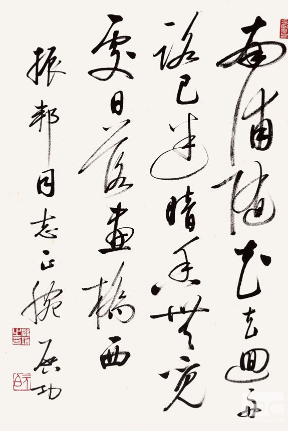
書畫的核心在于“氣韻生動”。真跡的筆墨是藝術家情感、修養與功力的瞬間迸發,線條有節奏,墨色有呼吸,整體氣韻貫通。而任何復制品,無論技術多么高超,都難免顯得板滯、匠氣,缺乏那種直擊人心的生命力。在鑒定時,要“遠觀其勢”,感受畫面的整體神韻;其次要“近察其質”,通過高倍放大鏡仔細觀察線條的起筆、行筆、收筆。真跡的筆觸豐富多變,中鋒側鋒轉換自如,飛白自然;而仿品的線條往往勻速無力,或者在模仿時顯得猶豫、笨拙,如同“描紅”。
The core of Chinese calligraphy and painting lies in its vivid and lively charm. The authentic brushwork is an instant burst of the artist's emotions, cultivation, and skills, with rhythmic lines, breathing ink colors, and a cohesive overall aura. And any replica, no matter how advanced the technology is, inevitably appears sluggish and lacks the vitality that strikes the heart. When identifying, the first step is to "observe its momentum from a distance" and feel the overall charm of the picture; Secondly, it is necessary to "closely examine its quality" by carefully observing the starting, running, and ending of the lines through a high-power magnifying glass. The authentic brushstrokes are rich and varied, with the center forward and sidekick changing freely, and the flying white is natural; The lines of imitations are often uniform and weak, or appear hesitant and clumsy during imitation, like "drawing red".
此外,時代風格是鑒定的重要標尺。每個朝代的書畫在筆墨特性、紙張絹帛、落款稱呼上都有鮮明的烙印。例如,清代晚期的作品中對人的稱謂往往是兩三種合署的,而把“大人”、“先生”合起來稱謂的作品,一般作于清代道光以后。鑒定往往能通過對這些細微時代特征的敏銳捕捉,迅速判斷作品是否“到代”。
In addition, the style of the era is an important criterion for identification. The calligraphy and painting of each dynasty have distinct imprints on the characteristics of brushwork, paper, silk, and signature titles. For example, in works of the late Qing Dynasty, the titles for people were often a combination of two or three forms, while works that combined the titles of "adult" and "gentleman" were generally created after the reign of Emperor Daoguang in the Qing Dynasty. Experts in appraisal can often quickly determine whether a work is "dated" by keenly capturing these subtle characteristics of the era.
二、 考訂為據:文獻、印章與流傳有序
2、 Based on: Documents, seals, and orderly circulation
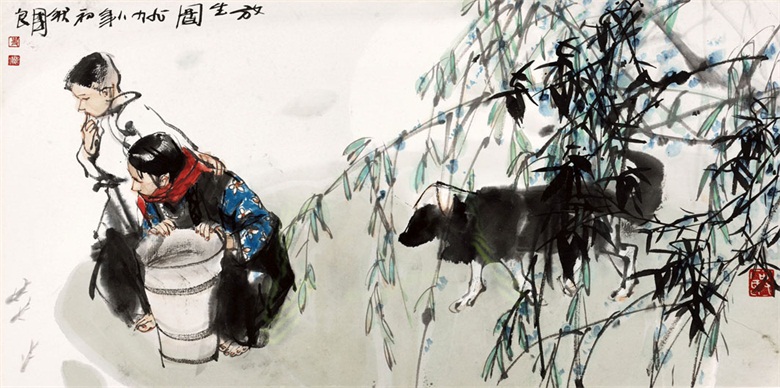
除了直觀的視覺判斷,嚴謹的文獻考證(即“考訂”)是去偽存真的另一把利劍。這包括對題跋、鑒藏印記以及歷代著錄的詳細核查。許多高明的作偽者可以模仿畫家的筆法,卻很難偽造出一套天衣無縫的流傳歷史。
In addition to intuitive visual judgment, rigorous literature review (i.e. "proofreading") is another sharp sword to eliminate falsehood and preserve truth. This includes a detailed examination of the postscript, the seal of the collection, and the historical records. Many skilled counterfeiters can imitate the painter's brushwork, but it is difficult to forge a seamless set of historical records.
在鑒定過程中,印章的篆法、印泥的色澤以及鈐蓋的立體感都是關鍵證據。例如,清代的印泥多用朱砂調制,厚重沉穩,顏色像熟透的棗皮,且印泥會自然滲入紙纖維,具有明顯的凹凸感;而現代印刷或偽造的印章,往往顏色浮艷,在放大鏡下能看到由網點組成的“數字指紋”,且印面平坦光滑。同時,通過查閱《石渠寶笈》等權威著錄,核對作品的尺寸、題識與歷史記載是否嚴絲合縫,往往能發現贗品在邏輯上的致命漏洞。
In the identification process, the seal technique, the color of the ink, and the three-dimensional effect of the seal are all key evidence. For example, in the Qing Dynasty, the ink paste was often made of cinnabar, which was thick and steady, with a color like ripe jujube skin. The ink paste naturally seeped into the paper fibers, giving it a distinct concave convex feeling; Modern printed or forged seals often have vibrant colors, and under a magnifying glass, a "digital fingerprint" composed of dots can be seen, with a flat and smooth surface. At the same time, by consulting authoritative records such as the "Shiqu Baoji" and checking whether the size, inscription, and historical records of the work fit perfectly, it is often possible to discover fatal loopholes in the logic of the counterfeit.
三、 科技為輔:材料與微觀痕跡的量化
3、 Technology as a supplement: quantification of materials and microscopic traces
隨著作偽手段進入“科技化”時代,高清微噴、半印半繪甚數控繪畫層出不窮,單純依靠經驗有時難免遭遇瓶頸。此時,現代科技手段成為了鑒定的有力補充。科技鑒定主要側重于對紙張、絹帛、顏料等物質材料的年代測定與微觀分析。例如,通過碳十四測年可以確定紙張的大致年代區間;通過光譜分析可以檢測顏料成分是否符合特定朝代的工藝特征。
With the advent of the "technological" era of counterfeiting methods, high-definition micro spraying, semi printing and semi painting, and even CNC painting are emerging one after another. Relying solely on experience sometimes inevitably encounters bottlenecks. At this point, modern technological means have become a powerful supplement to identification. Technological appraisal mainly focuses on the dating and microscopic analysis of materials such as paper, silk, and pigments. For example, carbon-14 dating can determine the approximate age range of paper; Spectral analysis can be used to detect whether the pigment composition conforms to the technological characteristics of a specific dynasty.
但需要注意的是,科技并非。正如啟功先生所言,書畫鑒定存在“模糊性”。科技可以劃定年代范圍,但無法完全替代對藝術風格的感知。理想的鑒定狀態,是“軟硬件結合”,即利用科技手段排除明顯的現代仿品,再結合傳統的目鑒經驗與文獻考據,對作品的藝術價值與歷史真偽進行綜合研判。
However, it should be noted that technology is not omnipotent. As Mr. Qigong said, there is ambiguity in the appraisal of calligraphy and painting. Technology can define the age range, but it cannot completely replace the perception of artistic style. The most ideal state of appraisal is the combination of software and hardware, which means using technological means to eliminate obvious modern imitations, and then combining traditional visual appraisal experience and literature research to comprehensively judge the artistic value and historical authenticity of the work.
四、 辯證看待:真偽之外的歷史價值
4、 Dialectical View: Historical Value Beyond Authenticity
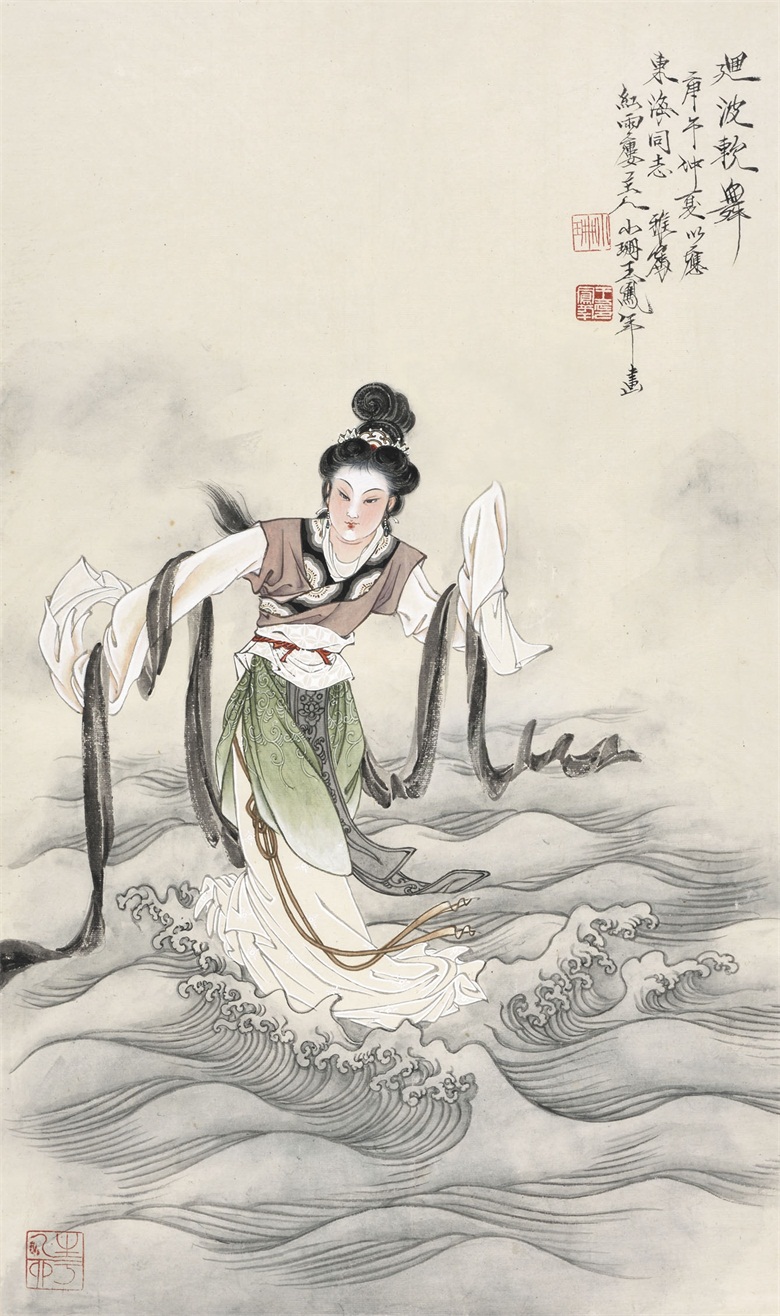
在名人字畫的鑒定中,我們還需具備超越“非真即偽”二元對立的辯證思維。歷史上存在大量“代筆”現象(如董其昌晚年由弟子代筆)以及精良的古摹本(如唐代馮承素摹《蘭亭序》)。這些作品雖然在嚴格意義上不屬于原作者的“真跡”,但它們限度地還原了原作的藝術特征,甚保留了已失傳的藝術風貌,具有極高的藝術史研究價值。
In the appraisal of celebrity calligraphy and painting, we also need to possess dialectical thinking that transcends the binary opposition of "either true or false". In history, there have been numerous instances of "ghostwriting" (such as Dong Qichang having his disciples ghostwrite in his later years) and excellent ancient copies (such as Feng Chengsu's imitation of "Preface to the Orchid Pavilion" in the Tang Dynasty). Although these works do not strictly belong to the "authentic works" of the original author, they have maximized the restoration of the artistic features of the original work, and even preserved the lost artistic style, with extremely high research value in art history.
因此,在面對一幅存疑的名人字畫時,既要嚴防“世故人情”的干擾和利益驅動下的盲目定性,也要學會從藝術史語境中挖掘其獨特的歷史價值。真正的鑒定,不僅是辨別真偽,更是對一段文化歷史的尊重與守護。
Therefore, when facing a doubtful celebrity calligraphy or painting, we must not only guard against the interference of "worldly wisdom and human feelings" and blind characterization driven by interests, but also learn to explore its unique historical value from the context of art history. True identification is not only about distinguishing truth from falsehood, but also about respecting and protecting a cultural history.
山東省書畫收購鑒定評估中心






 首頁
首頁 產品
產品 電話
電話 置頂
置頂